Filters
In-Stock Only
On Sale
Retailer
Sold By
Plant Pots
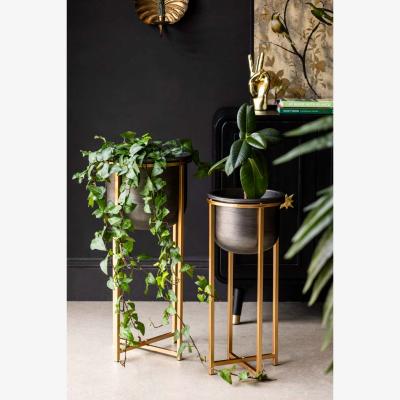
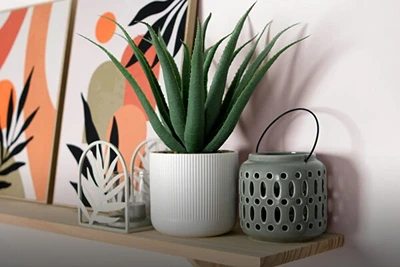
A plant changes a room only as much as a plant pot lets it. A monstera in a plain plastic nursery container does significantly less for a room than the same plant in a glazed ceramic pot that has been chosen for it. Likewise a trailing pothos looks more deliberate spilling out of a brushed brass planter than draped over the lip of its grow-pot. Part of choosing a plant pot is deciding how visible you want the container to be: whether it disappears into the scheme or contributes to it.
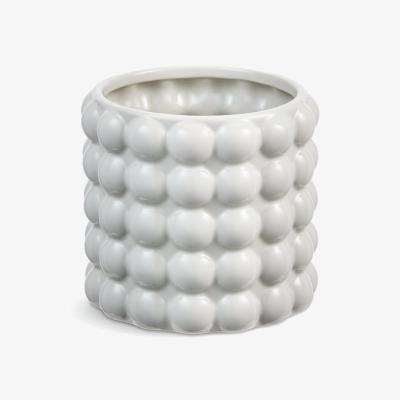
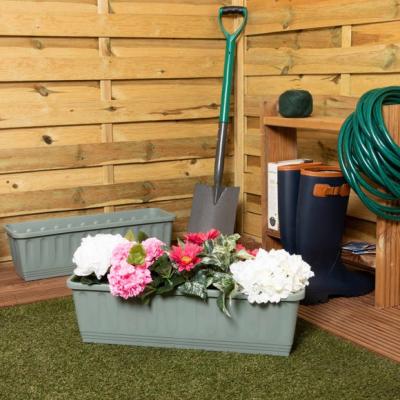
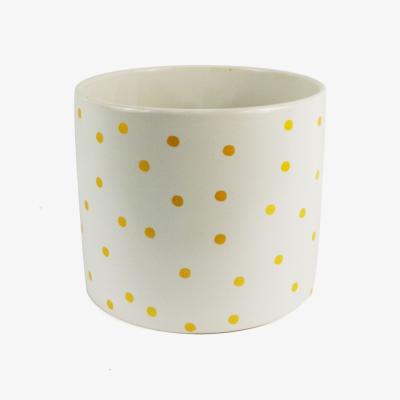
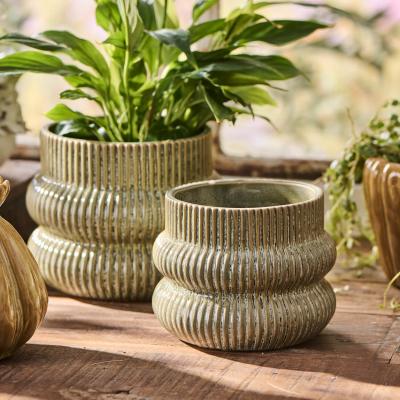
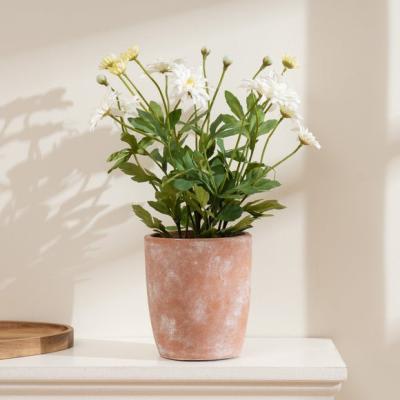
Ceramic is the default for indoor pots, with glazed and matte finishes that pair well with almost any decor style. Terracotta is the outdoor equivalent, breathing naturally and ageing with character. However, its porous clay can crack in deep frosts, so think twice about leaving it fully exposed year-round in cold weather. Stone, concrete and fibreclay (a lightweight composite of clay and fibre) solve that problem, holding their shape under large planting and suiting the more architectural end of outdoor design. Metal planters in galvanised steel, copper and brushed brass work as well indoors as out and lean towards industrial or contemporary styles, while plastic pots are the practical choice for nurseries, balconies and anywhere weight matters. Bamboo, rattan, fabric and wicker bring a softer, more natural indoor finish for rooms where a hard-edged pot would feel wrong.
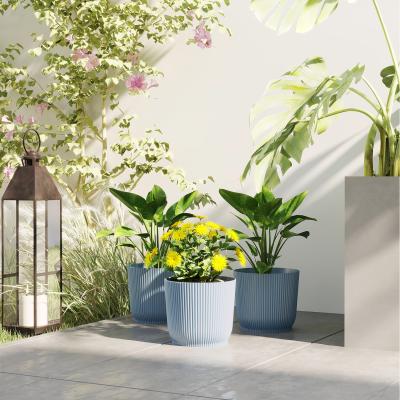
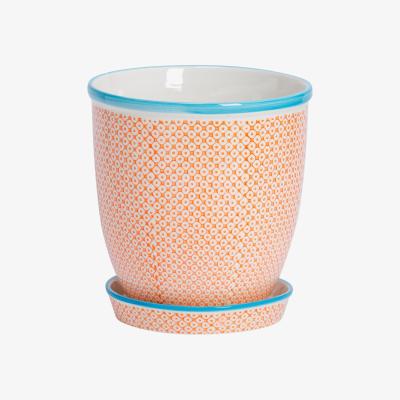
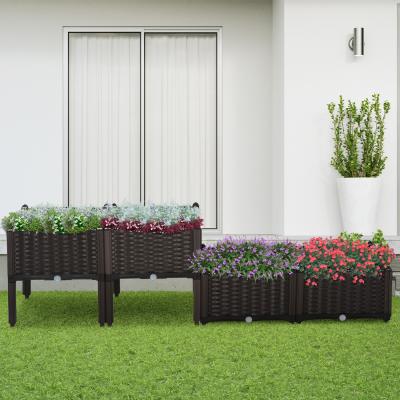
Indoor pots usually run from 10 to 30cm in diameter for most houseplants, scaling up to 40 to 60cm for statement plants like palms, yuccas and fig trees; outdoor patio planters go further still, with extra-large and tall designs from 60cm upwards working well at front entrances and on decking. Round, square and column designs cover most requirements for free-standing plant pots, with hanging baskets and wall-mounted pots available for situations where floor and shelf space is tight. Saucer trays sit underneath as drip protection rather than as containers themselves. White, black, grey, blue, green and natural terracotta are the most popular colours, and paintable bisque pots (unglazed ceramic, ready to take paint) are an option for anyone wanting to customise the colour themselves.
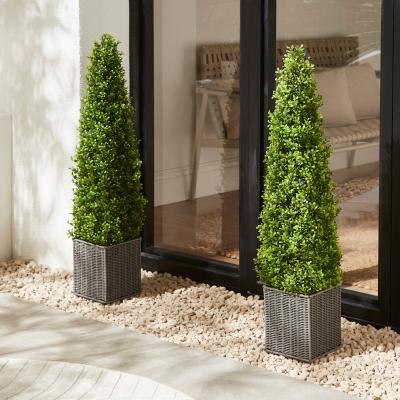
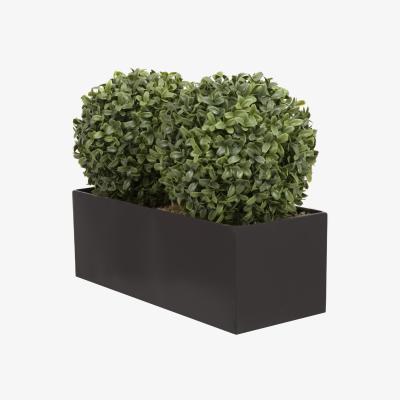
Grouping several pots of different heights on a windowsill or patio usually reads as more considered than spacing them apart. For an even lower-maintenance arrangement, pair an indoor planter with artificial flowers and plants to give you the look of greenery without the watering. Larger floor-standing pots work alongside vases and sculptures to bring varied height and natural texture into a living room or entrance.
Flitch brings together plant pots from over 100 UK retailers in one place. Filters narrow by material, size and indoor or outdoor use, and price history on each plant pot helps you decide when to buy. Our expert stylists can offer a steer on coordinating planters with your room or garden.
What size plant pot do I need?
Choose a pot 2 to 5cm wider than the current root ball for most repottings, allowing room for new growth without over-potting. Trees and larger plants need a pot that is 5 to 10cm wider than the root ball. A pot that is too large holds excess wet soil around the roots and can lead to root rot.
Do plant pots need drainage holes?
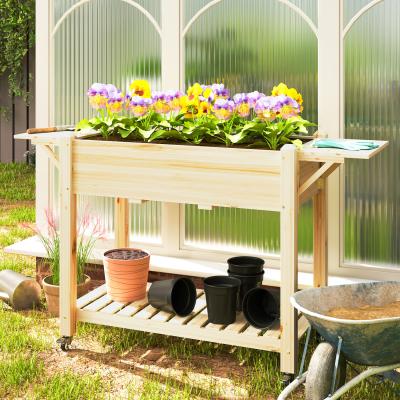
Yes, for the plant to thrive long-term. Roots sitting in standing water are prone to rot. If a decorative pot has no holes, use it as a cachepot - a decorative outer pot with a smaller plastic grow-pot sitting inside - or drill drainage holes carefully into ceramic and resin designs.
Are terracotta pots frost-proof?
Standard terracotta can crack when water absorbed by the porous clay freezes and expands. Frost-proof terracotta is fired at higher temperatures and handles British winters much better. For standard terracotta, moving pots into a sheltered spot over winter is the simplest precaution.
What type of soil should I use in plant pots?
Most indoor plants do best in a general-purpose, well-draining potting mix. Cactus, succulent and orchid composts suit those specific plants. Avoid garden soil indoors, as it compacts in pots, drains poorly and can introduce pests.
How do I stop plant pots from staining the floor?
Use a saucer to catch drainage, or stand the pot on small risers or felt pads that lift the base off the floor and protect against scratches from heavier pieces.
Can I plant directly into a decorative pot?
You can, but a removable grow-pot inside the decorative cachepot is more practical. The plant can be swapped out, watered separately and lifted out for repotting without disturbing the outer planter.
Browse By...
Home essentials at unbeatable prices